What sustainability actually looks like in cotton
Sustainability is used so often in textiles that it risks losing its meaning. What a supplier says about it only carries weight when it is concrete and verifiable: which material goes where, which stage happens where, and how long the product lasts. In cotton, those three points say more than any other claim.
Waste is a product, not refuse
Fiber is lost at every stage of cotton processing. The blowroom removes trash and short fiber, carding produces flat strips, the comber separates the fibers it does not consider suitable for spinning, and the suction system on the ring frame collects pneumafil. Collected and sorted properly, all of this material is a commercial product.
Carding waste and blowroom waste are used in open end spinning, in nonwoven production and as filling material. Yarn waste is widely used in industrial cleaning. Collecting these separately and not mixing them means both a stable composition for the buyer and material that does not leave the chain as refuse. That is the most concrete form the circular economy takes in cotton.
Processing close to the source
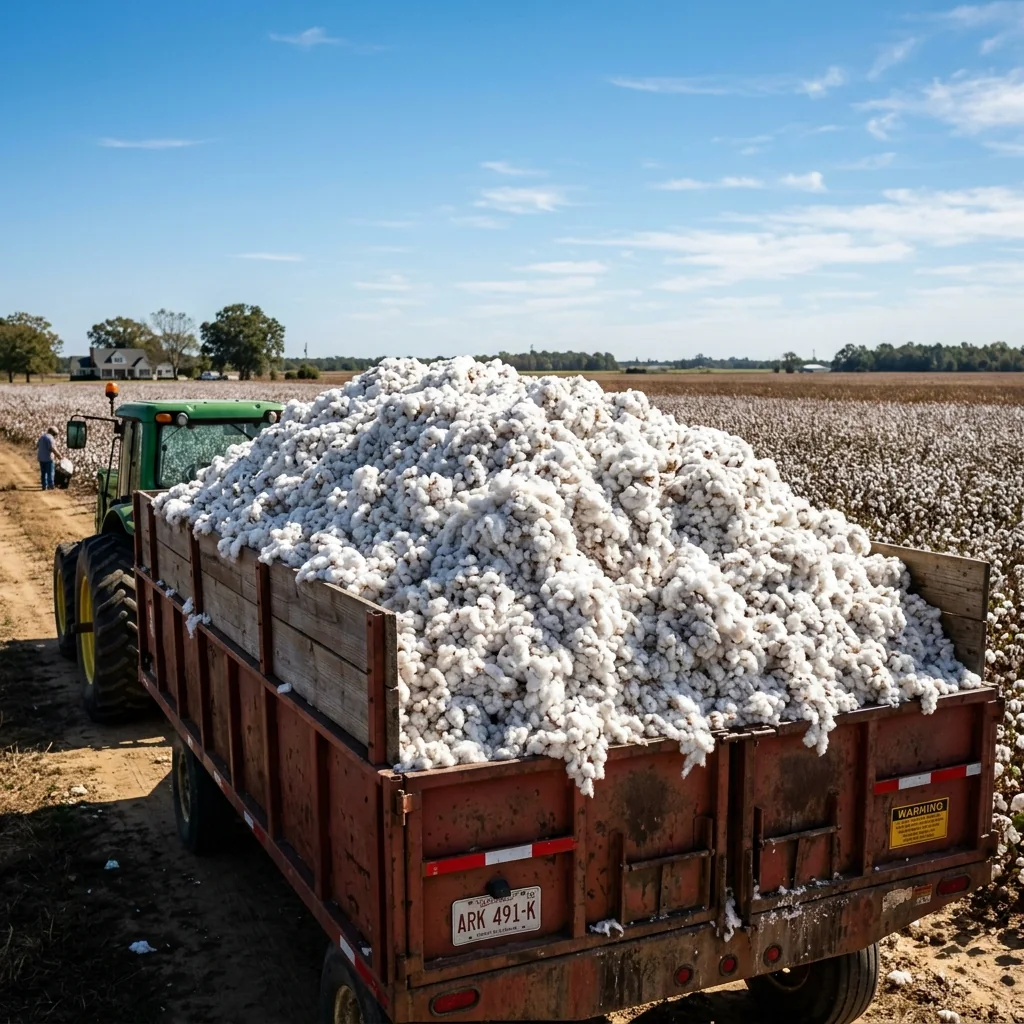
Seed cotton is far bulkier than lint. When ginning and baling happen close to the fields, the volume of material transported drops considerably. There is a second benefit: the less the fiber is handled and the sooner it goes into a bale, the lower the short fiber content and nep count stay. Processing close to the source affects product quality, not only transport load.
The lifespan of a natural fiber
The environmental impact of a product has to be judged together with its service life. A towel used for two years and a towel used for ten consume similar resources in production but give very different totals. A product whose weight, pile height and twist have been chosen for its actual use simply lasts longer.
This is why we prefer to settle the conditions of use first when talking to a buyer. A towel that will be washed in a hotel laundry and a towel made for domestic use are different products; describing both with the same specification means a short lived product and resources spent for nothing.