Blog
Technical articles on cotton and textile products, processing and quality: what to look for, what is measured, and what to settle before ordering.
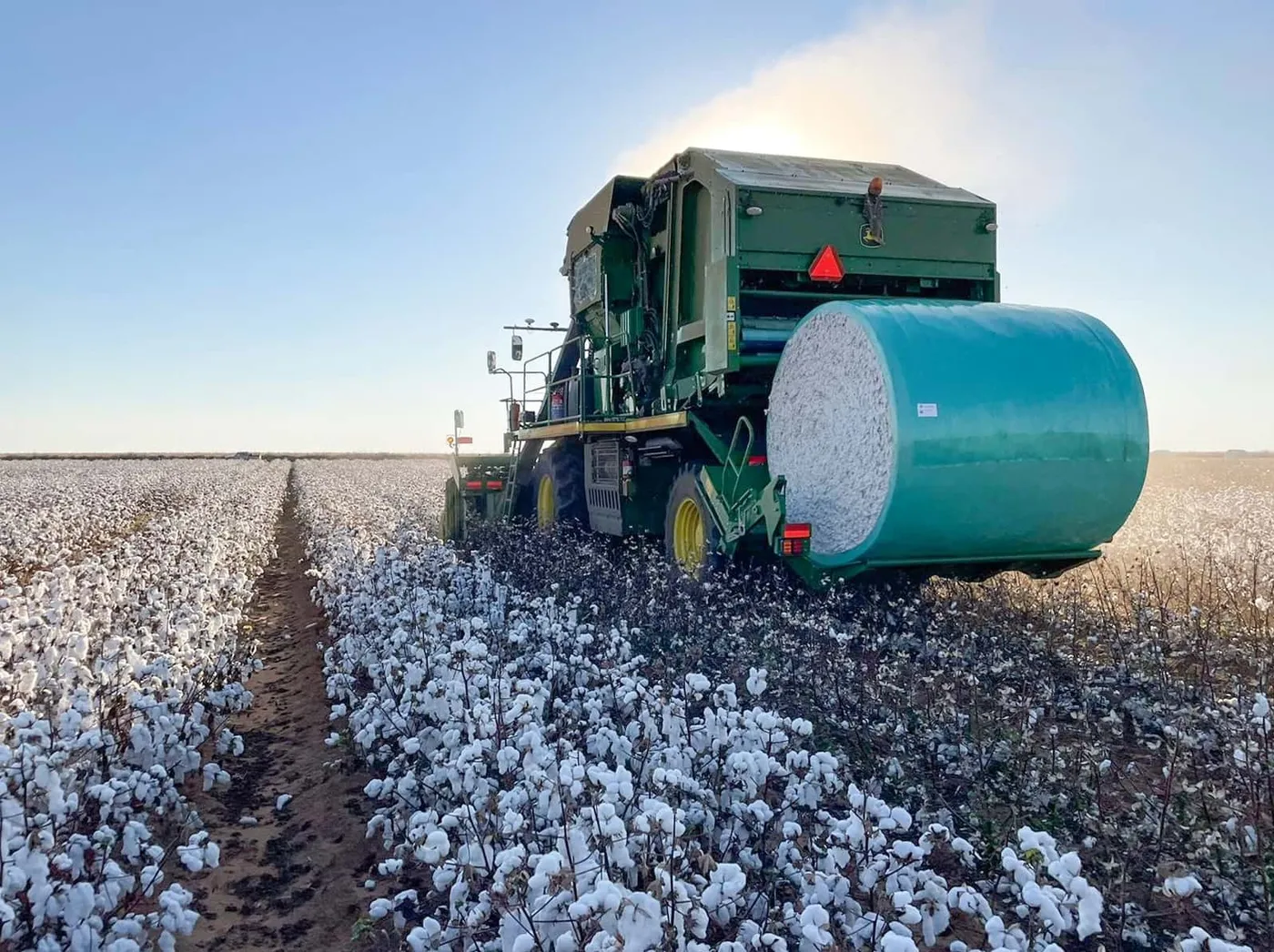
Who works in our fields and plants
Labor is one of the first things European buyers now ask about in a supply chain. How the harvest is done, who works, and how you can see it for yourself.
Read More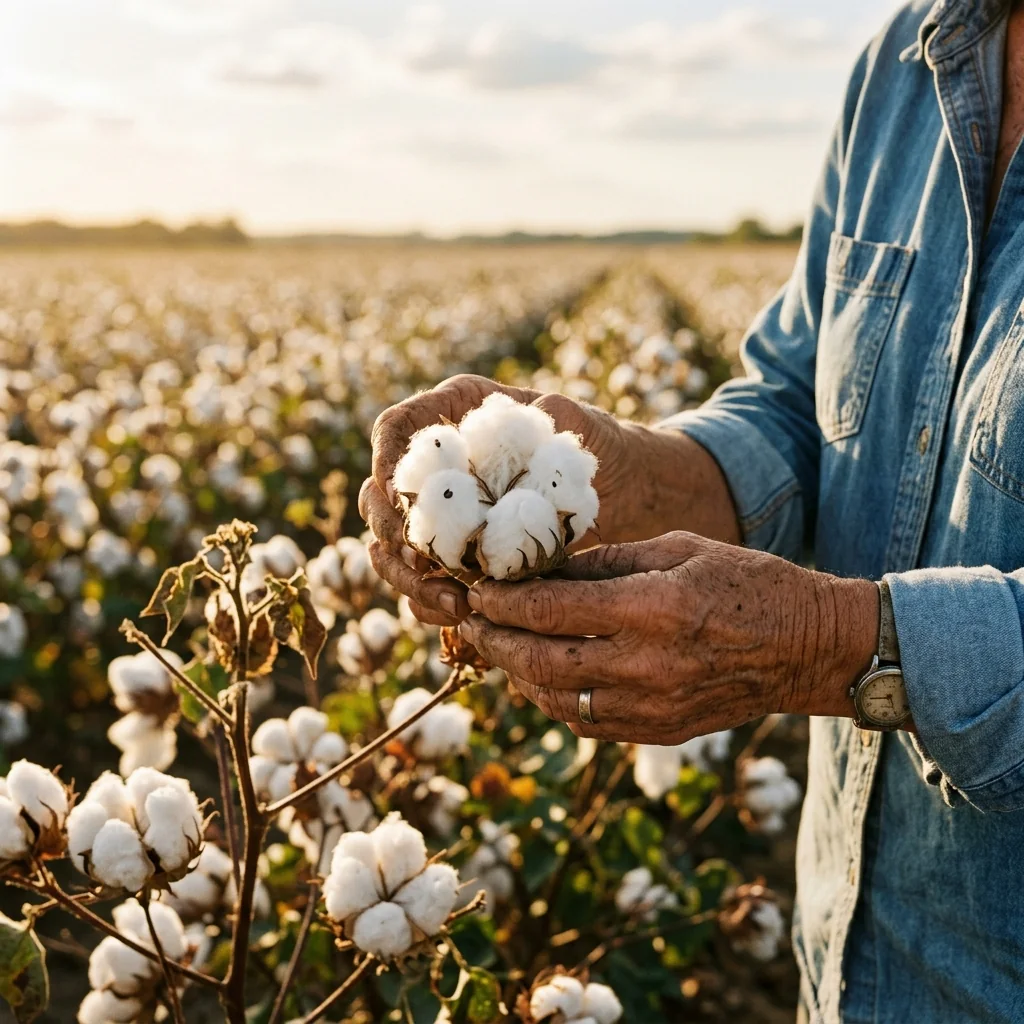
What to look for in raw cotton: staple length, micronaire and the role of ginning
The measurements that set the value of a cotton bale, how ginning affects the fiber, and the points a buyer should pin down in the contract.
Read More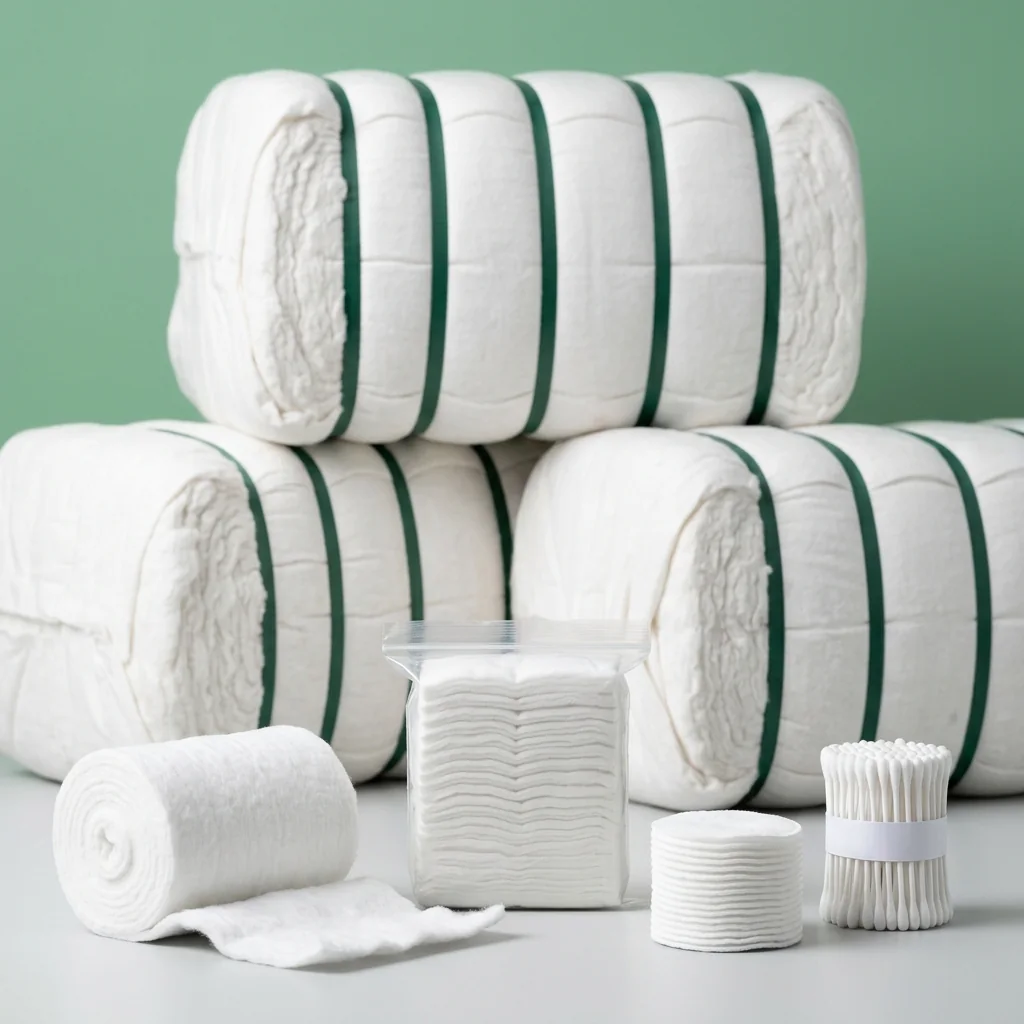
Hydrophilic cotton: the bleaching process and how absorbency is measured
Why raw cotton is not absorbent, what actually happens during bleaching, and which tests measure absorbency. A practical checklist for hydrophilic cotton buyers.
Read More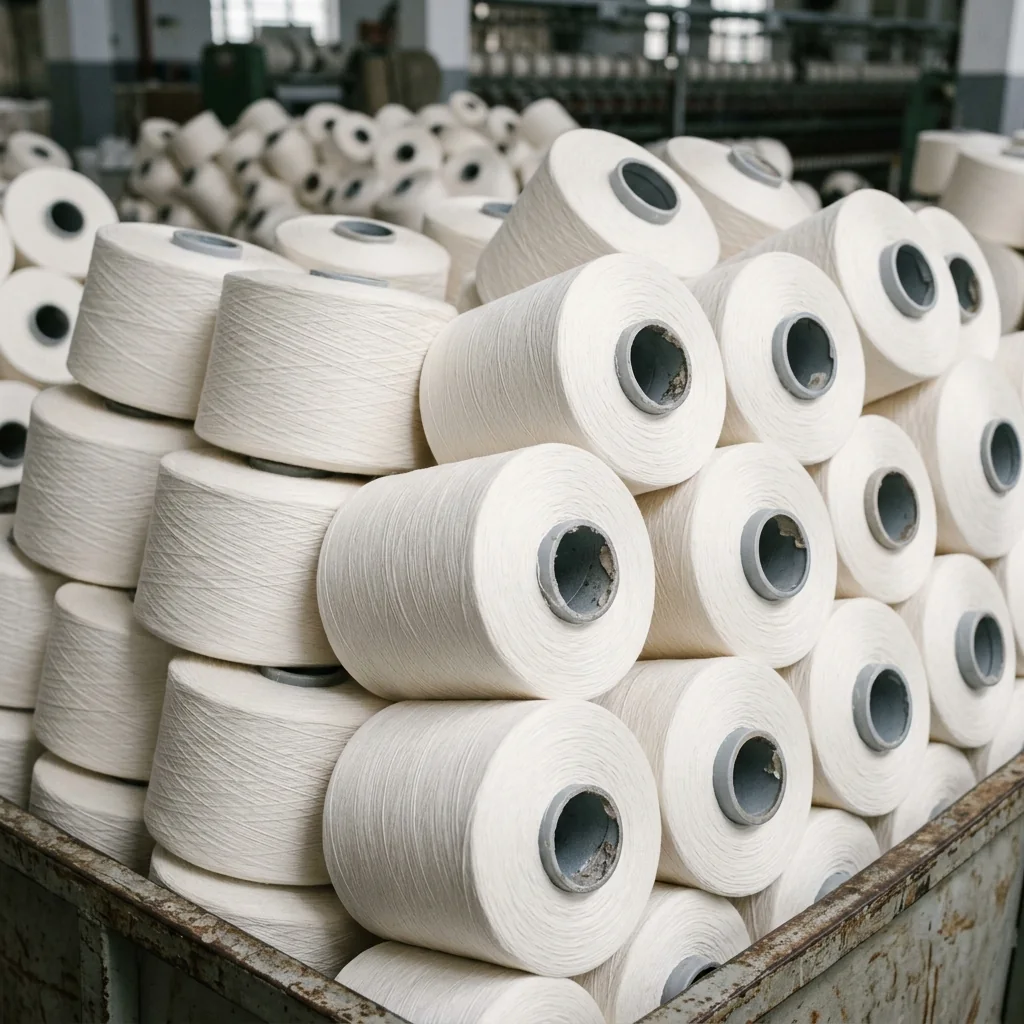
Cotton yarn: count, twist and spinning method
How count and twist are read in cotton yarn, what separates ring from open-end spinning, and which test values to check when accepting a lot.
Read More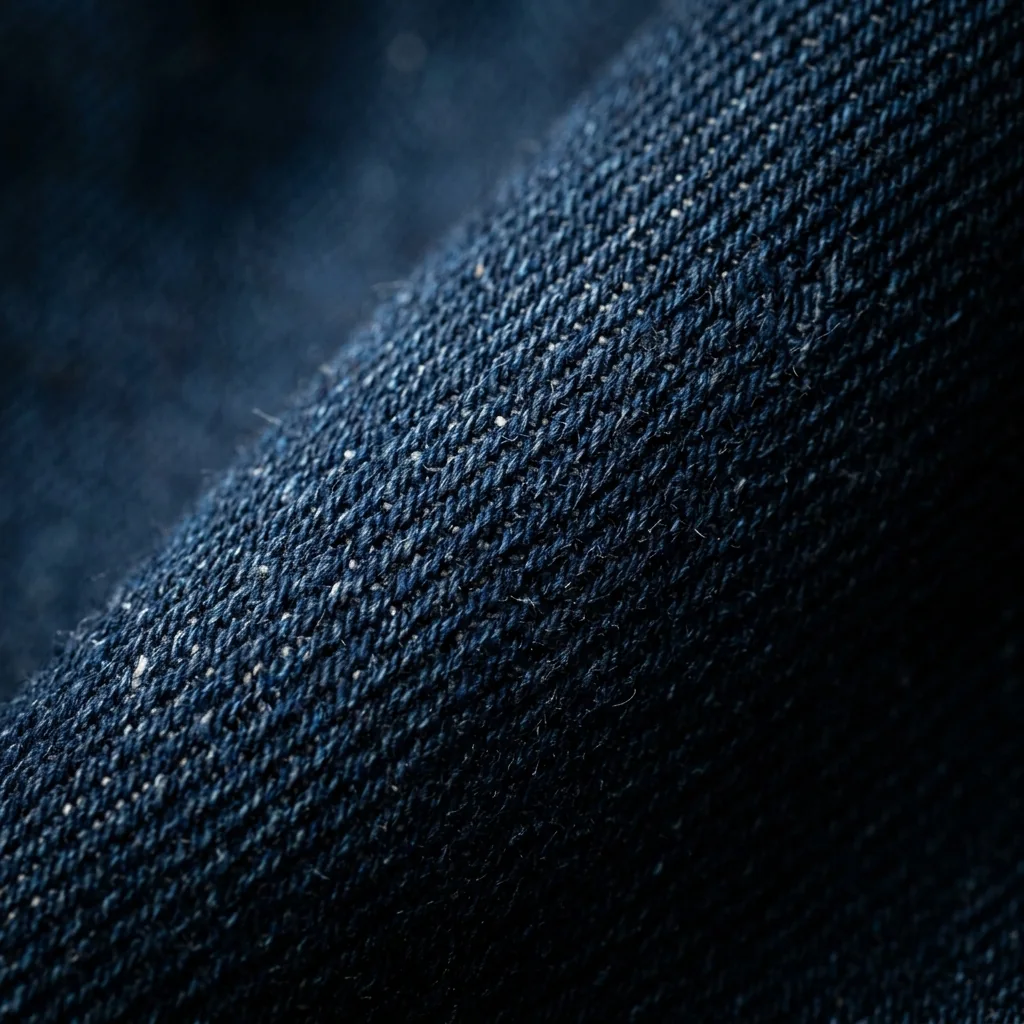
Warp, indigo and weight in denim
The three decisions that make denim denim: an indigo warp, a raw weft and a warp-faced twill. How construction, dyeing and weight shape behavior in the wash.
Read More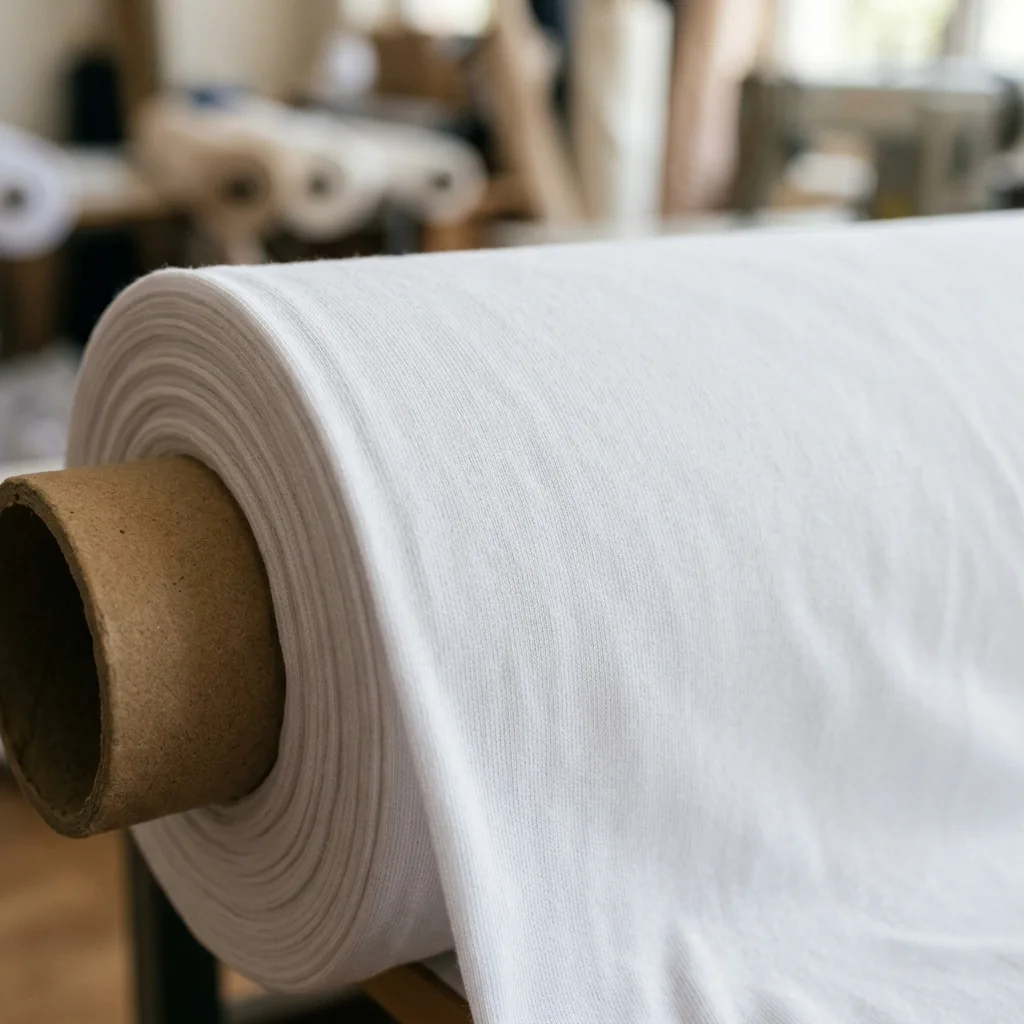
Knitted fabric: construction, weight and dimensional stability
The structural differences between single jersey, rib and french terry, the loop length that actually sets fabric weight, and the shrinkage, spirality and barré issues a buyer should settle before ordering.
Read More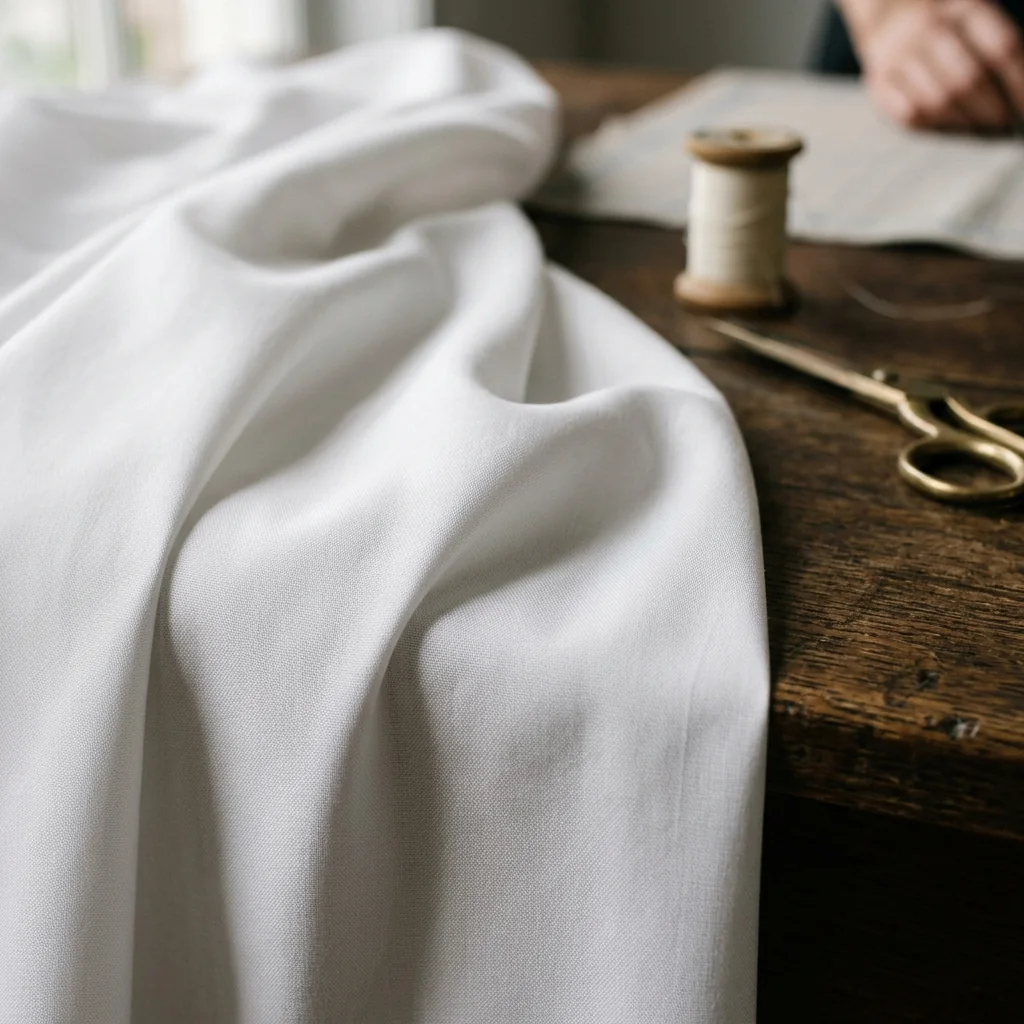
Reading woven fabric construction
Yarn count, density, weight and weave type tell you how a woven fabric will behave before you handle it. Here is what to settle in writing before placing an order.
Read More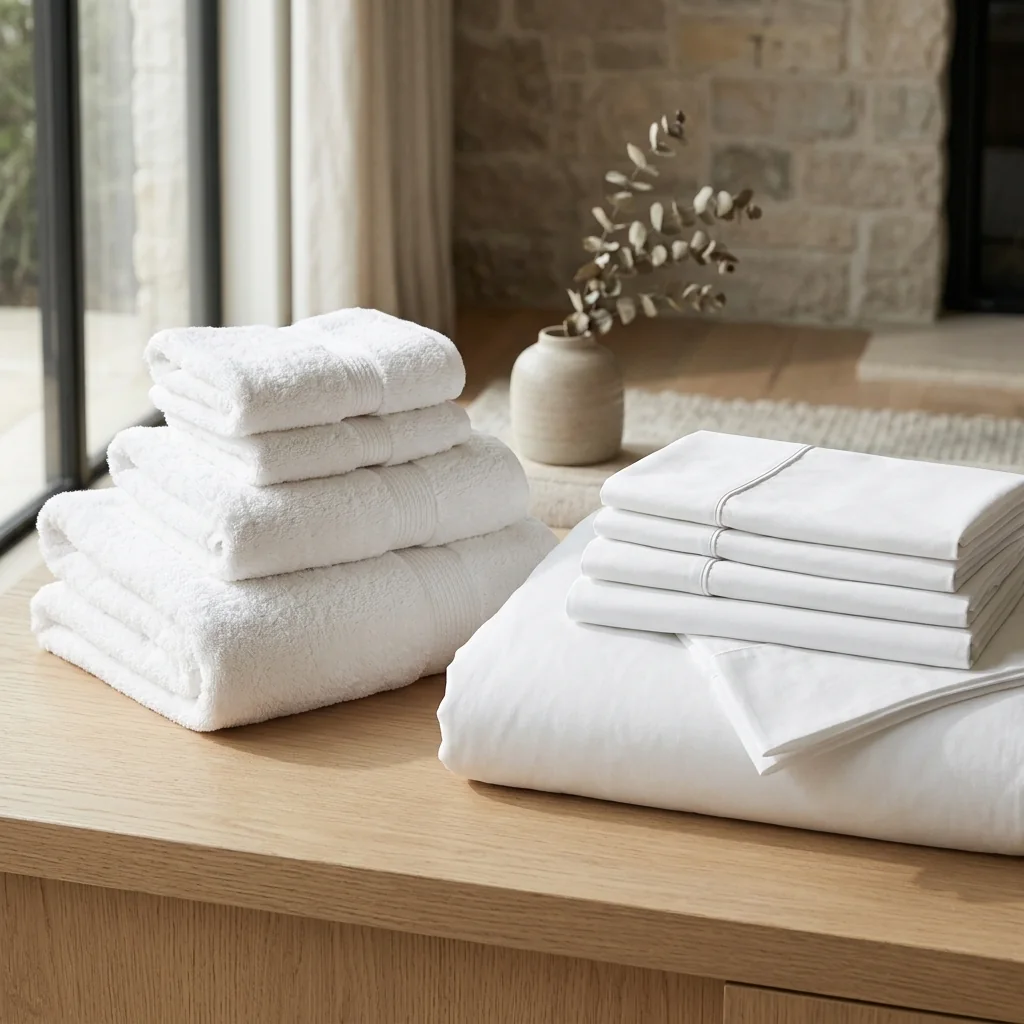
Weight, pile and thread count in towels and bed linen
What towel weight, pile twist, weave type and thread count actually tell you, and the technical points a buyer should settle before placing a home textile order.
Read More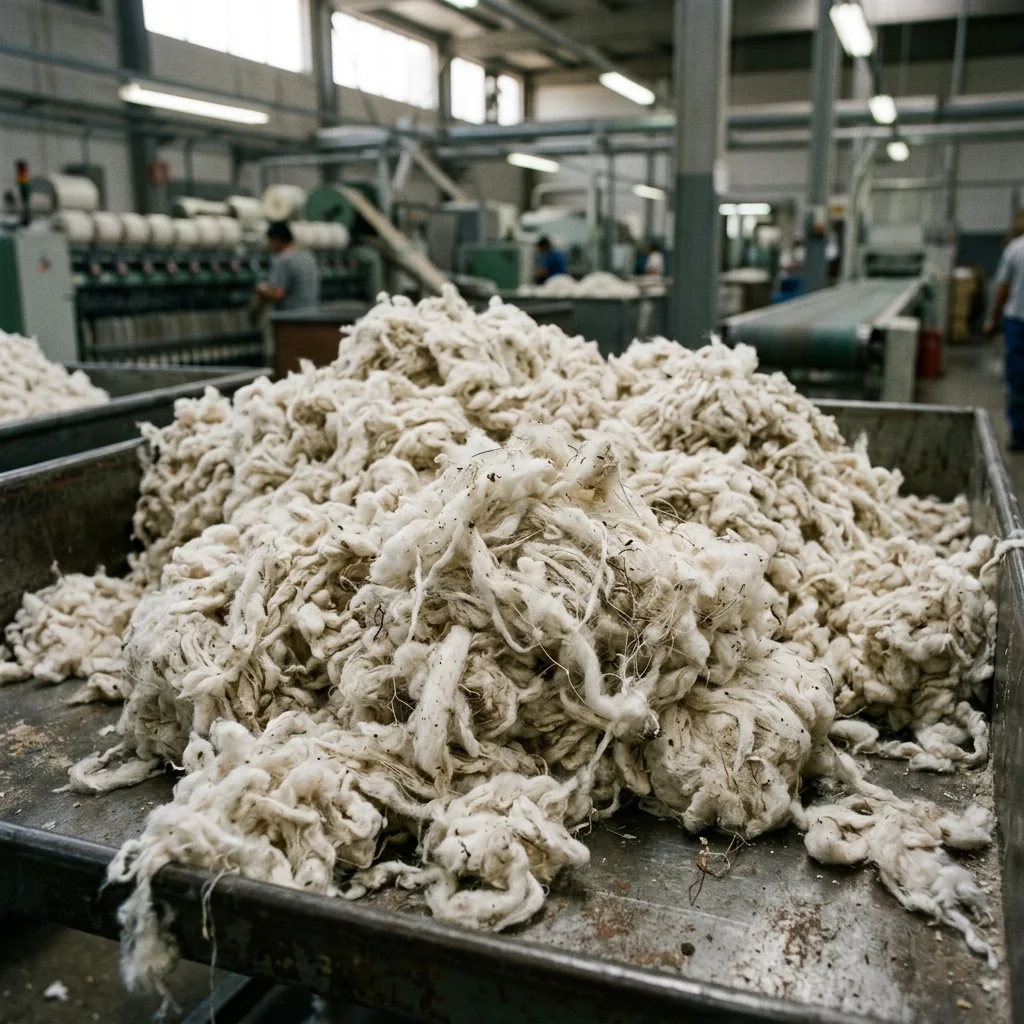
Cotton waste: where each grade comes from and what buyers should check
How blowroom waste, card and comber waste and yarn waste differ, how lint content and moisture affect price, and why contamination is the costliest problem on the list.
Read More
Quality control in cotton yarn: which tests, which report
The measurable properties that define yarn quality, the often confused difference between micronaire and staple length, and the report a buyer can ask for by lot.
Read More
Automation in textiles: what changed and where
From spinning to quality control, a look at what automation has actually changed in textile production and what it means for the buyer.
Read More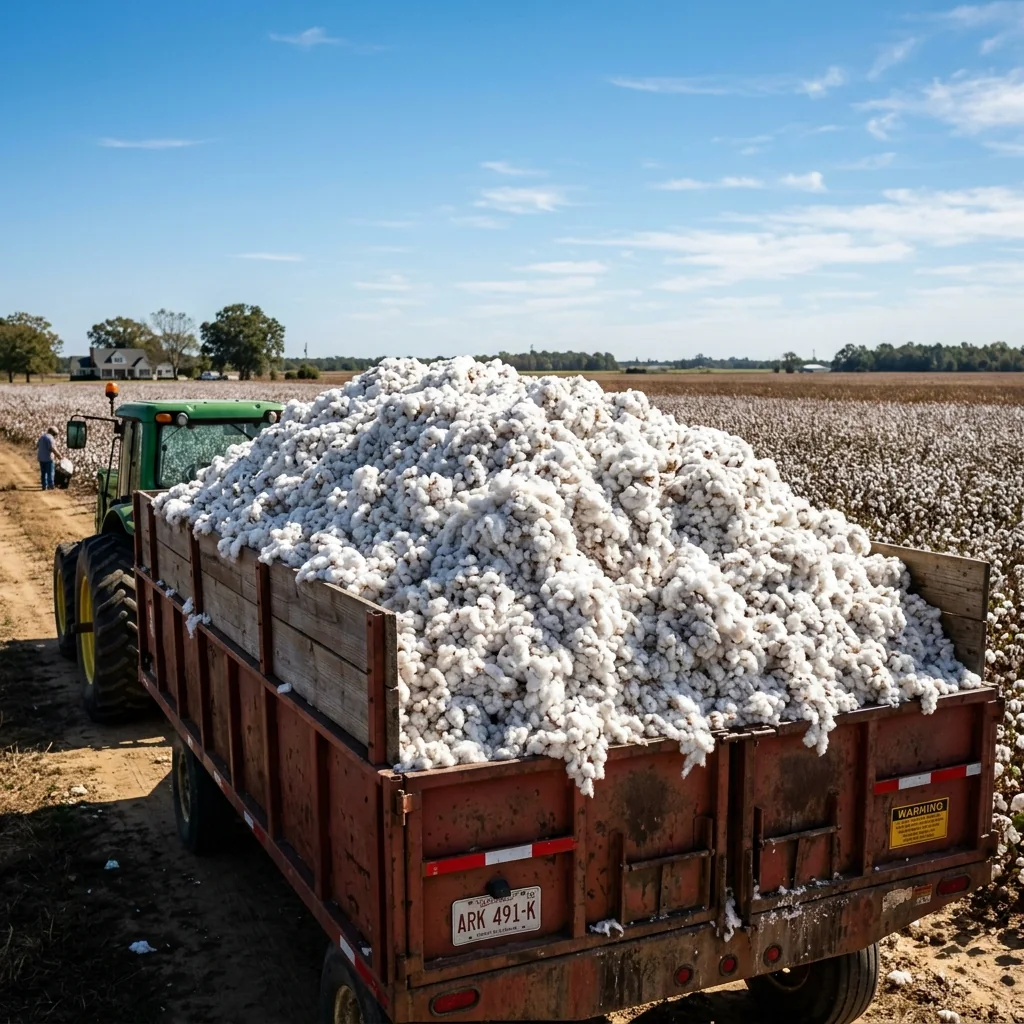
What sustainability actually looks like in cotton
In cotton, sustainability is not a slogan but a set of measurable decisions: recovering waste, processing close to the source, and the lifespan of the fiber.
Read More