Hydrophilic cotton: the bleaching process and how absorbency is measured
Raw cotton fiber does not take up water easily. The outer surface of the fiber carries a natural wax layer, and beneath it sit pectins, proteins and mineral residues. They protect the fiber in the field, but they repel water. Hydrophilic cotton is what remains once that layer is removed under control: almost pure cellulose. Because the hydroxyl groups of cellulose meet water directly, the material becomes absorbent within seconds.
What happens during bleaching
The process starts with scouring. The fiber is boiled in an alkaline bath, usually under pressure, so waxes and pectins dissolve and shell and leaf fragments soften and separate. Bleaching follows. For medical grade cotton the common route today is oxidative bleaching based on hydrogen peroxide, because it is gentler on the cellulose chain than chlorine based systems and leaves an easier residue profile to manage.
What comes after the chemistry matters just as much. Washing and rinsing bring the pH back to a neutral range, drying sets the moisture balance of the fiber, and opening separates the fibers to build the familiar loft. If opening is inadequate the cotton stays clumped, and even when the absorbency figure looks acceptable in the lab, it behaves unevenly in the finished product.
How absorbency is measured
Absorbency is not judged by eye. Two tests carry most of the weight. The first is sinking time: a sample of defined weight is placed on the water surface and the seconds until it is fully submerged are recorded. The second is water holding capacity: the saturated sample is drained and weighed, and the result is expressed as grams of water held per gram of cotton. The two are read together, because cotton that sinks quickly does not always hold much water.
A lot acceptance sheet usually adds pH, water soluble matter, ethanol soluble residue (the fats and waxes left behind), whiteness, and counts of foreign fiber and shell fragments.
What buyers should check
The reasons a good sample turns into a difficult production run are fairly predictable. Moisture is one. Hydrophilic cotton is hygroscopic and changes weight with packaging and storage conditions, so pricing and incoming inspection should be agreed on a commercial moisture basis. Staple length is another. Hydrophilic lines run mostly on short fiber, and if the average drops too far, cosmetic pads and similar applications start to shed, which shows up as linting.
Concrete questions for a supplier: is a test report issued per lot, are optical brighteners used (most medical and baby care buyers do not want them, and a fluorescence check will tell), is the bleaching line shared with other products, is packing individual or bulk, and what are the winding tension and weight tolerances on rolls.
Hydrophilic production at ETEX
Hydrophilic cotton is one of the products we focus on. Bleaching and packing run on dedicated lines under controlled hygiene conditions, and every lot is tested for absorbency, whiteness and purity. Our processes run under ISO/TS and TSE certified systems.
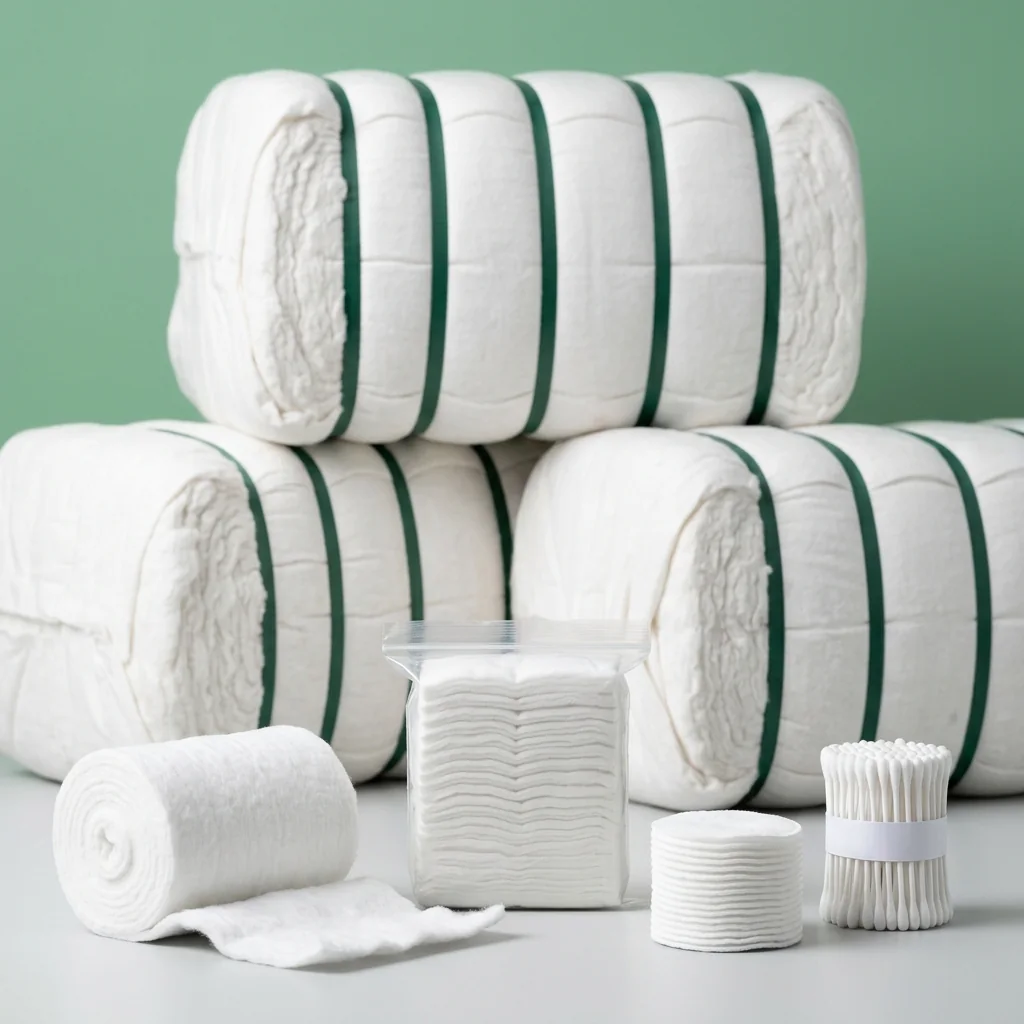
We match the product form to the point of use: zigzag cotton in clear packaging for clinical work, large rolls for hospital and industrial consumption, and cosmetic pads for personal care. Send us your specification and we can go through which form suits your application, together with samples and documentation.